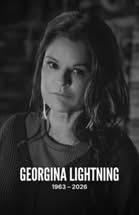
Georgina Lightning Cause of Death: Beloved Cree Filmmaker and Actor Remembered for Indigenous Storytelling
The Indigenous film and arts community is mourning the loss of Georgina Lightning, the acclaimed Cree filmmaker, actor, writer and producer whose work helped bring Indigenous stories, histories and experiences to audiences around the world.
Lightning died at the age of 63 following a tragic incident at the Enoch Cree Nation Indian Relay event in Alberta. Her daughter, actor and musician Crystle Lightning, confirmed her mother’s death, describing Georgina as her mother, matriarch, role model and confidant.
Her death has prompted an outpouring of grief from family, friends, Indigenous artists and members of the broader film community. The Enoch Cree Nation also expressed condolences, saying the community was grieving the loss of one of its members.
Georgina Lightning Remembered
Born in Edmonton, Alberta, Lightning was a member of the Samson Cree Nation. Over a career spanning more than three decades, she established herself as a powerful voice in Indigenous cinema and storytelling.
She was perhaps best known for Older Than America, the 2008 feature film that she wrote, directed, produced and starred in. The film drew partly from her family’s experiences with residential schools and explored the lasting effects of those experiences across generations.
The film became an important part of Lightning’s legacy. It received numerous festival awards and helped establish her as one of the pioneering Indigenous women working behind the camera in feature filmmaking.
Lightning’s other screen credits included Johnny Greyeyes, DreamKeeper, Blackstone, Trickster, Three Pines, Alaska Daily and Buffalo Daze.
A Voice for Indigenous Storytelling
Beyond acting and filmmaking, Lightning was an advocate for Indigenous representation and storytelling.
She co-founded Tribal Alliance Productions, creating opportunities for Native American, First Nations and other Indigenous filmmakers. Her work consistently sought to place Indigenous voices and experiences at the center of stories that reached wider audiences.
Friends and fellow artists have described her as a mentor, trailblazer and courageous storyteller. Tributes following her death have emphasized not only her professional achievements but also her warmth, humor, generosity and commitment to supporting others.
Her influence extended beyond individual films. For many emerging Indigenous artists, Lightning represented the possibility of telling their own stories on their own terms.
Cause of Death
Georgina Lightning died following an incident at the Enoch Park race track during an Indian Relay event on Saturday, September 5, 2026.
According to Global News, Lightning was in a designated media area when a horse veered from the track and struck her. She died at the scene. The Royal Canadian Mounted Police confirmed that a woman died following the incident, while Lightning’s family subsequently confirmed that she was the victim.
Authorities are investigating the circumstances surrounding the incident. Alberta Occupational Health and Safety has taken over the investigation, and officials have urged against speculation while the inquiry continues.
A Lasting Legacy
For the Indigenous film community, Georgina Lightning leaves behind a remarkable creative legacy.
Her work challenged conventional portrayals of Indigenous people while creating space for Native actors, filmmakers and storytellers. Through Older Than America and her many other projects, she demonstrated the power of cinema to preserve history, confront difficult experiences and celebrate Indigenous identity.
But for her family, her greatest legacy is likely to be deeply personal. Crystle Lightning’s tribute described Georgina not only as a celebrated filmmaker, but as a mother and matriarch whose importance to her family went far beyond her professional achievements.
Georgina Lightning will be remembered as a pioneering Cree filmmaker, actor, producer, mentor and advocate whose storytelling opened doors for others. Her sudden death leaves a profound loss for her family, the Samson Cree Nation and the Indigenous arts community, but the stories she brought to the screen will continue to carry her voice forward.